
Why some wool itches
Posted by Team NZNC on 13th Feb 2019
Simply speaking...
The coarser the wool fibre, the more likely it is to give sensitive or unaccustomed skin a bit of an itch or scratch!
Here at New Zealand Natural Clothing, we reckon we have our own way of measuring a person's wool-wearing maturity.
You see, our customers come from all walks of life. Among them are those who've spent their working lives on the land, in shearing sheds or in the meatworks – the sort of hardy folk you're perhaps less likely to bump into at your local shopping mall.
These are the people, and often the descendants of generations before them, who helped build New Zealand's great pastoral industries. From the late 1800s and throughout much of the following century, sheep farming and wool production played an enormous part in shaping our country's economy, communities and way of life.
For many rural families, wool wasn't a fashion statement. It was simply what you wore. It kept you warm, stood up to hard work and, with a bit of care, lasted for years. And for plenty of these folk, it still does.
But what on earth has all this got to do with itchy jerseys?
Well, quite a lot, as it turns out!
Everything!
The MKM Originals Shearers Woollen Tee and Shearers Woollen Singlet, along with the Norsewear Farm Fleck Socks, would have to be among our best measures of just how rural, or how much of a backbone Kiwi, you really are!
The folk who buy these garments and socks often come out with statements like:
-
"It's the only one I've ever worn. My dad wore them too!"
-
"I buy three pairs of Fleck socks a year and two singlets. That's my shopping done!"
-
"These are the only singlets and tees that are long enough in the back and made from New Zealand wool."
-
"NZ-made at the right price. What else is there to say?"
And fair enough, too!
But here's the thing. To skin that's not accustomed to traditional, coarser wool, these garments can feel pretty bloody scratchy!
So, if coarse wool makes you itch, don't feel you have to tough it out. Give the finer Merino alternatives a go instead.
Why the difference?
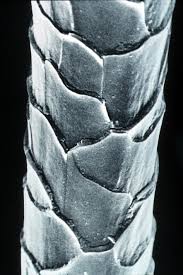
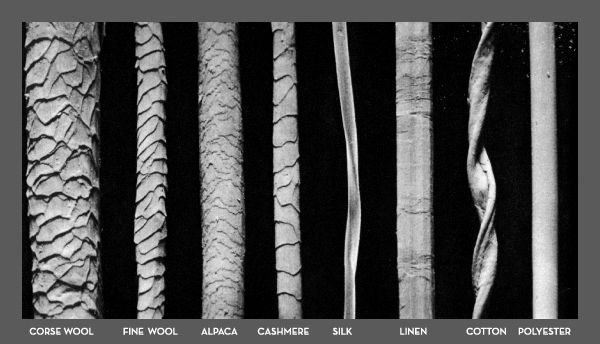
It largely comes down to the diameter of the wool fibres. Coarser fibres are stiffer and more likely to press against the skin, creating that familiar prickly sensation.
Fine Merino fibres, on the other hand, have a much smaller diameter and bend more easily against the skin. When knitted together, these finer, more flexible fibres generally create a softer, smoother feel.
In other words, you don't have to be a hardened shearer to enjoy the warmth and comfort of wool. Sometimes, it's simply a matter of finding the right wool for your skin!
So what is your itchy scale?
Can you wear a traditional crossbred wool jersey directly against your skin, particularly under those sensitive armpits?
Well, some hardy souls certainly can. But for others, it might feel like wearing a rather enthusiastic scrubbing brush!
And what about those really coarse woollen garments, sometimes blended with nylon for extra strength and durability? Would you want those rubbing against your bare skin all day?
Perhaps not!
Of course, you could always wear a soft Merino layer underneath to keep the scratchiness at bay. But the good news is that you don't have to put up with uncomfortable woollen garments to stay warm.
One of our favourite outdoor layering combinations is a superfine Merino base layer, followed by a soft possum-blend garment such as the MKM Tasman Dual-Layer Possum Merino 36.6 Jersey.
It's a wonderfully warm, soft and comfortable combination. In fact, it's so cosy you might almost forget you're wearing it!
And What About Those Traditional Farm Socks?
The Norsewear Farm Fleck Socks are another great example of traditional, hard-wearing woollen products.
They're the sort of socks you certainly know you're wearing when you first pull them on! Designed for life in work boots, they offer a durable construction and a substantial feel that generations of rural New Zealanders have come to appreciate.
The original Norsewear Farm Fleck sock has a long history, dating back to the brand's early days in Norsewood during the 1960s.
And there's a little history behind those coloured threads, too.
As cheaper imported alternatives became more common, Norsewear introduced coloured identification threads to help distinguish sock sizes and identify its products.
We've had customers bring socks into our store, disappointed that they've worn out after just a few months. On closer inspection, some have turned out not to be the original products we sell.
It's a useful reminder that two pairs of socks can look remarkably similar on the shelf but be quite different in their construction, comfort and durability.
At New Zealand Natural Clothing, we're proud to support quality New Zealand-made products and the manufacturers behind them. We believe there's real value in knowing what you're buying and where it comes from.
But Are Farm Fleck Socks Scratchy?
For some people, particularly during the first few wears, they certainly can be!
If your skin is sensitive to coarser wool, there's no need to suffer for the sake of tradition. You might be much happier with a pair of our Merino socks.
At the end of the day, not all woollen knitwear is created equal.
Different fibres, blends and constructions produce very different results, and what feels wonderfully comfortable to one person might not suit another.
Our advice? Come in, have a feel, try on what you can and decide for yourself.
We positively encourage it!